Wednesday, April 29, 2026
9:00 -10:00 am ET
Women play a central role in economic growth and job creation, yet their participation in entrepreneurship and formal employment remains constrained. Although women account for nearly half of the global working‑age population and show entrepreneurial ambition comparable to men, they remain underrepresented as workers and business owners. Where women do lead firms, they tend to create more inclusive employment by hiring a higher share of women in permanent, full‑time roles. However, persistent barriers—such as limited access to finance, skills, markets, and supportive care and legal frameworks—continue to constrain firm growth. Addressing these barriers, particularly for growth‑oriented women‑led SMEs, is essential to unlocking their potential to create more and better jobs and drive broader economic growth.
Thank you to those who joined us along with policymakers, practitioners, entrepreneurs and development partners working at the intersection of women’s entrepreneurship and job creation to deepen understanding of how women‑led businesses can drive more and better jobs, particularly for women. The discussion explored how supporting the growth and scale‑up of women‑owned SMEs can translate into stronger employment outcomes and improved job quality. The webinar also examined the key constraints that limit this potential, including gaps in access to finance, skills, and markets, and will reflect on how results can be effectively tracked and measured to better capture the economic and employment impacts of women entrepreneurs.
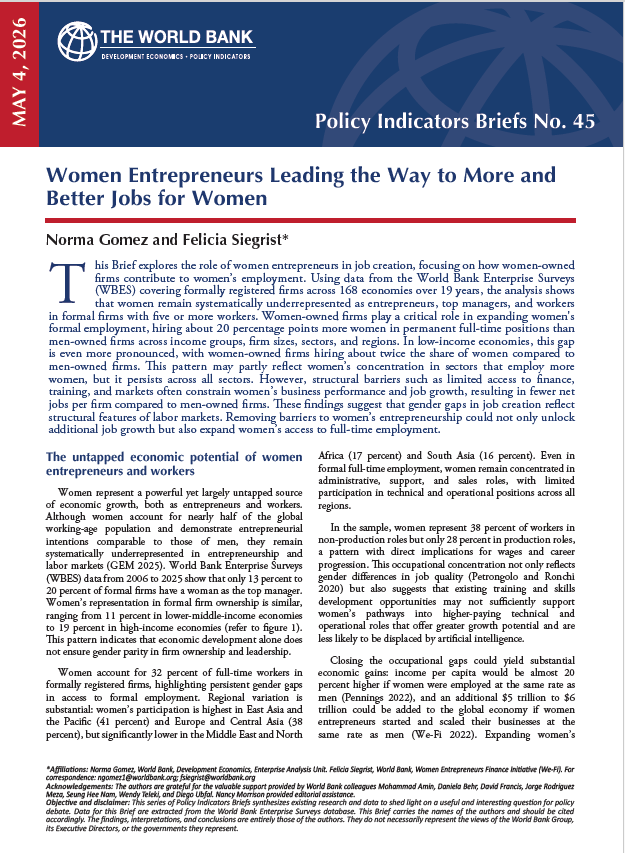
We also invite you to explore the newly published brief on “Women Entrepreneurs Leading the Way to More and Better Jobs for Women“, that was presented during the session. The Policy Indicator Brief shows that women entrepreneurs are one of the most powerful, and overlooked, drivers of inclusive job creation. Using global data, it demonstrates that women-led firms create significantly more formal jobs for women, but face structural barriers that limit their growth. Removing these constraints isn’t just good for gender equality, it’s smart economics that could unlock better jobs at scale.
Speakers
Norma Gomez
Economist, Enterprise Analysis Unit,
World Bank
Sara Andersson
Technical Officer,
Women’s Entrepreneurship Development Programme,
ILO
Sandeep Singh
Economist,
Development Impact Unit,
IFC
Renata Betti
Co-Founder
Talent Academy
Michael Ehst
Senior Private Sector Specialist,
We-Fi
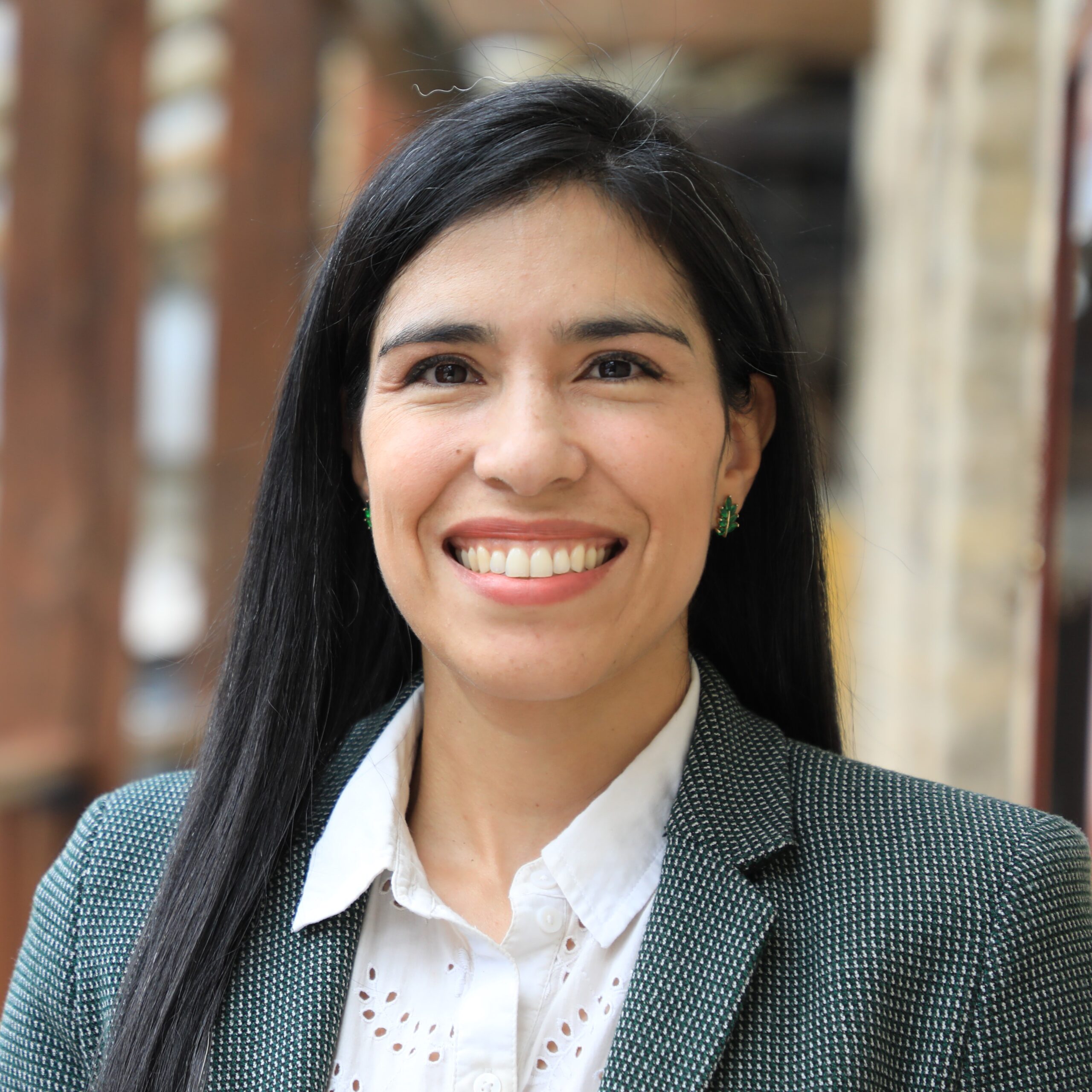
Norma Gomez, Economist, Enterprise Analysis Unit, World Bank
Norma Gomez joined the Enterprise Analysis team in 2023. She holds a Ph.D. in Development Economics from The Ohio State University, an M.Sc. in Economics from the same university, and an M.P.A. from Columbia University in New York. She is an Economist from Universidad Nacional de Colombia. Prior to joining the unit, Norma was the Director of Housing and Executive Director of the National Housing Fund – FONVIVIENDA in the Ministry of Housing of Colombia, where she was responsible for the design and implementation of the country’s housing policy, as well as the allocation of housing subsidies for the most vulnerable families. Previously, she served as advisor for the Private Sector Development Unit of the National Planning Department (DNP) working on topics of Entrepreneurship, Intellectual Property, Innovation, and Financial Inclusion. Before, Norma led all public policy evaluations of the National Government as Evaluation Coordinator at DNP. She has been a consultant for the Ohio Education Research Center, the World Bank Group, and the Inter-American Development Bank.
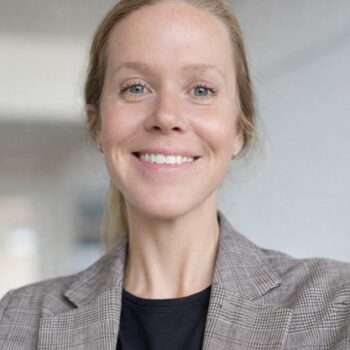
Sara Andersson, Technical Officer, Women’s Entrepreneurship Development Programme, ILO
Sara Andersson is a Technical Officer and Coordinator of the International Labour Organization’s Women’s Entrepreneurship Development programme. She leads the programme’s work on advancing women’s entrepreneurship as a pathway to decent work and inclusive economic growth. Since joining the ILO in 2017, her work has focused on enterprise development, with a strong emphasis on linking it to decent work and gender equality. She supports the design and implementation of country-level interventions and global initiatives, drawing on experience from ILO headquarters and previous field assignments. Prior to joining the ILO, Sara worked in the private sector on sustainability and responsible business conduct. She holds an MSc in International Business and Politics from Copenhagen Business School.
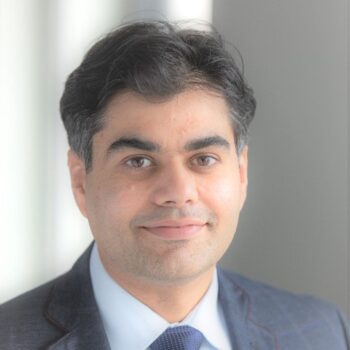
Sandeep Singh, Economist, Development Impact Unit, IFC
Sandeep Singh is an Economist at the International Finance Corporation (IFC), where he works on the design and application of development impact assessment frameworks for financial sector interventions. He supports investment operations and leads analytical and evaluation work on MSME finance and affordable housing, with a focus on how financial sector interventions translate into firm‑level outcomes such as business growth and job creation. His research contributions include authoring flagship IFC publications such as the MSME Finance Gap report and studies on job creation by SMEs, and leading the development of IFC’s economic impact models for financial sector projects. He is also a core contributor to the World Bank Group’s emerging methodology on More and Better Paid Jobs (MBJ). Prior to joining IFC, he worked at the World Bank and the International Monetary Fund on financial sector reforms, macro‑financial policy, and access‑to‑finance issues.

Renata Betti, Co-Founder of Talent Academy
Renata Betti is the Co-founder of Talent Academy, an HR-tech company that leverages data and technology to transform how organizations develop people and make talent decisions. Renata began her career as a journalist, covering entrepreneurship and innovation for some of Brazil’s leading media outlets, and later worked as an international correspondent in Silicon Valley and Central America (Panama). Today, Renata works with leading companies across Latin America to design and implement leadership programs grounded in data and real-world impact. She is passionate about democratizing access to self-awareness and enabling more human-centered, data-driven organizations. Renata is also a speaker and moderator on topics related to the future of work, leadership, and innovation.

Michael Ehst, Senior Private Sector Specialist, We-Fi
Michael Ehst is a Senior Private Sector Specialist with the Women Entrepreneurs Finance Initiative (We-Fi). He works on designing funding programs that work with We-Fi’s seven multi-lateral development bank partners to close financing gaps for women entrepreneurs globally. Michael joined the World Bank Group in 2007. His work focuses on entrepreneurship support and innovation policy. Michael has led World Bank lending and research related to SME support, entrepreneurship, export sector development, and early–stage venture finance for the Africa and East Asia regions of the World Bank. He helped to design and launch the Climate Technology Program that supports clean technology innovation centers in seven countries globally. Previously, he held positions with the science committee of the U.S. Congress and the U.S. National Academies of Science and worked on technology policy issues for the Japanese government. Before his work in public policy, he worked in technical and managerial leadership roles within startup internet and software businesses. Michael received a BS in business administration from the University of Colorado and an MA in the economics of technological change from the George Washington University.
-
Wendy Teleki, Head of Secretariat, We-Fi
- Norma Gomez, Economist, Enterprise Analysis Unit, World Bank
9:15 – 9:50 Panel discussion
- Renata Betti, Co-Founder of Talent Academy
- Sara Andersson, Technical Officer, Women’s Entrepreneurship Development Programme, ILO
- Sandeep Singh, Economist, Development Impact Unit, IFC
- Michael Ehst, Senior Private Sector Specialist, We-Fi (moderator)
9:50 – 10:00 Q&A
10:00 Closing remarks by We-Fi
